25 Kansas City Spots With Native American History
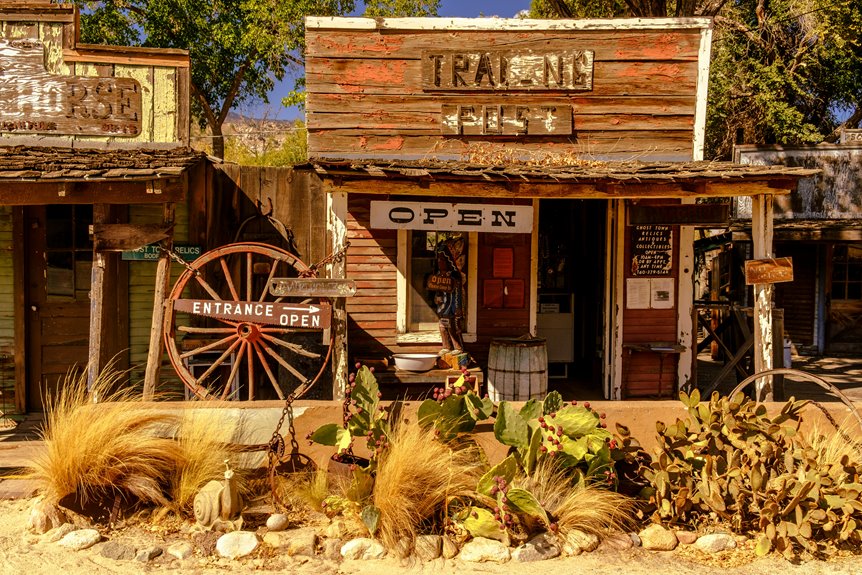
You encounter 25 Kansas City spots that preserve Native American history, like the Osage Nation Historic Site and Kaw River Sacred Grounds. These locations analyze tribal legends and rituals, offering detailed insights into Osage, Kaw, and Wyandot cultures. As you consider their ecological and educational value, you’ll want to examine the full array of trails and memorials next.
Osage Nation Historic Site
The Osage Nation Historic Site in Kansas City preserves key aspects of the Osage people’s heritage, a tribe that once dominated the Great Plains.
You actively explore Osage Legends through detailed exhibits, analyzing their oral traditions and cultural narratives.
However, funding challenges, like inconsistent grants, hinder site maintenance and expansion, limiting your access to fully preserved artifacts and educational programs.
Kaw River Sacred Grounds
From the Osage Nation Historic Site, you now examine Kaw River Sacred Grounds, a revered area where the Kaw people’s spiritual traditions merge with the river’s ancient flow.
As you explore, you’ll witness essential water conservation efforts that protect the river’s ecosystem, while spiritual tourism invites you to engage in meaningful Kaw rituals, analyzing how these practices sustain both cultural heritage and environmental balance.
Wyandot Tribal Memorial
Venturing into Wyandot Tribal Memorial, you’ll uncover a solemn site honoring the Wyandot Nation’s resilience amid Kansas City’s landscape.
Memorial restoration has revitalized the area, preserving historical accuracy and boosting cultural tourism.
As you explore, you’ll analytically examine detailed exhibits on the tribe’s past, gaining precise insights into their cultural legacy in an objective, concise format.
Ancient Burial Mounds Trail
Exploring the Ancient Burial Mounds Trail, you’ll encounter earthen structures that offer analytical insights into prehistoric Native American societies in Kansas City.
This path integrates mound preservation with trail ecology for deeper understanding.
Here’s a breakdown:
- Mound preservation techniques that protect earthen structures from erosion and environmental threats.
- Trail ecology’s diverse habitats, where native species enhance the mounds’ historical context.
- Analytical examinations of mound designs, revealing societal organization and cultural practices.
Indigenous Kaw Point Overlook
At the Indigenous Kaw Point Overlook, you’ll witness the historic confluence of the Kansas and Missouri rivers, a site that reveals the Kaw Nation’s strategic adaptations and cultural resilience in the region.
You’ll analyze Overlook Ecology through Scenic Views, where the rivers’ convergence displays native ecosystems and the Kaw’s innovative environmental engagements, enhancing your detailed understanding of their historical presence.
Native Artifacts Exhibit Area
The Native Artifacts Exhibit Area showcases authentic relics from the Kaw Nation, offering you a window into their daily life and spiritual practices.
You’ll find it highly educational, analytical, and deeply engaging. Here’s what to explore:
- Learn about exhibit funding sources that guarantee relics’ authenticity, proper artifact education programs, and community involvement.
- Engage in sessions providing in-depth artifact education on Kaw tools and ceremonies.
- Discover how these exhibits effectively preserve cultural heritage for future generations.
Osage Cultural Heritage Park
Osage Cultural Heritage Park immerses you in the Osage Nation’s enduring legacy through interactive displays and preserved sites.
You’ll encounter eco-friendly practices, like sustainable landscaping and energy-efficient structures, that minimize environmental impact while preserving cultural elements.
The park’s tourism strategies, including educational programs and visitor-guided paths, actively enhance your experience, promoting respectful engagement and deeper historical insight.
Kaw Nation Gathering Spot
Kaw Nation’s Gathering Spot invites you to explore the tribe’s rich heritage through authentic artifacts and storytelling sessions that highlight their ancestral ties to the Kansas City area.
To truly enhance your visit, consider:
- Joining event planning sessions where you actively shape cultural events that foster community ties.
- Listening to compelling participant stories from tribal members that offer analytical insights into lived histories.
- Engaging in detailed analyses of how these elements preserve traditions through interactive storytelling.
Wyandot Ancestral Village Site
Wyandot Ancestral Village Site reveals the tribe’s profound historical footprint in Kansas City, where you’ll encounter preserved remnants of their settlements that highlight adaptive survival strategies amid 19th-century relocations.
You’ll observe Wyandot Farming techniques that optimized scarce resources for sustenance, alongside Ancestral Crafts showcasing intricate artistry and cultural resilience.
These elements analyze the tribe’s innovative adaptations, blending heritage with necessity.
Missouri River Indigenous Trail
The Missouri River Indigenous Trail winds through key historical routes that indigenous peoples used for migration and trade, revealing how they navigated the river’s dynamic ecosystem.
As you explore, you’ll analyze River Ecology and prioritize Trail Safety:
- Observe the river’s biodiversity to understand indigenous survival strategies.
- Check weather and wear proper gear for Trail Safety on uneven terrain.
- Study water currents to appreciate historical navigation techniques.
Pre-Colonial Settlement Ruins
Exploring pre-colonial settlement ruins in Kansas City reveals intricate remnants of indigenous communities, where you’ll analyze architectural layouts and artifacts to understand their sustainable living practices and social organization.
As you explore deeper into these ancient ruins, you’ll examine Village Layouts designed for efficiency and Defensive Walls built for protection, highlighting their innovative approaches to community building and security in the region.
Tribal Ceremony Landmark
In Kansas City’s heart, tribal ceremony landmarks preserve the vibrant rituals of indigenous groups.
Where you’ll analyze enduring earthworks and sacred symbols to uncover their spiritual significance and community roles in fostering cultural continuity.
When you explore Ceremony Park, consider:
- The intricate Tribal Dance that reflects cultural stories and spiritual beliefs.
- The layout of the park designed for traditional ceremonies.
- How these features support ongoing community engagement and cultural preservation.
Native Petroglyph Rock Formations
Native petroglyphs etched into Kansas City’s rock formations showcase ancient indigenous artistry, where you’ll decode symbols and motifs that reflect tribal narratives, spiritual beliefs, and historical events, helping preserve cultural heritage through detailed analysis of their craftsmanship and environmental context.
You’ll examine Ancient Engraving Methods, like pecking into stone, while Petroglyph Conservation efforts actively safeguard these sites, allowing you to analyze enduring motifs’ cultural layers precisely.
Osage Hunting Path
The Osage Hunting Path cuts through Kansas City’s terrain, marking routes the Osage tribe once used for strategic hunts and resource gathering.
As you traverse it, you’ll analyze its significance through:
- Hunting Techniques: The Osage’s stealthy stalking and trap-setting, optimizing prey capture in varied landscapes.
- Path Ecology: Diverse flora supporting animal migration, influencing tribal routes.
- Cultural Adaptations: How these elements shaped sustainable practices for you to appreciate today.
Kaw Fishing Heritage Site
Kaw Fishing Heritage Site reveals the Kaw tribe’s sophisticated fishing strategies, where they actively netted and speared fish in Kansas City’s rivers, adapting to seasonal water flows for efficient harvests and community sustenance.
You’ll explore fishing innovations in net design and spear techniques, while heritage education programs help you analyze their sustainable practices, offering detailed insights into the tribe’s ecological adaptations and resource management.
Wyandot Settlement Remains
Wyandot Settlement Remains showcase the tribe’s resilient community structures along Kansas City’s waterways, where they built enduring homes and fortifications to withstand seasonal floods and rival incursions, offering you a direct connection to history.
As you visit, you’ll experience:
- Wyandot Excavation efforts that reveal intricate artifacts and tools, providing analytical insights into daily life.
- Ongoing Settlement Preservation work to safeguard sites from erosion and development pressures.
- Detailed examinations of adaptive designs, analyzing their flood-resistant engineering for environmental resilience.
Indigenous Storytelling Circle
Immerse yourself in an Indigenous Storytelling Circle, where participants actively share ancestral tales that preserve cultural heritage and offer analytical insights into Native American experiences in Kansas City.
You’ll encounter Digital Storytelling methods that adapt these narratives through Modern Adaptations, analyzing how technology enhances authenticity and engages contemporary audiences in preserving essential traditions.
Osage Sacred Springs
The Osage Sacred Springs stand as a revered site for the Osage Nation, where you’ll encounter ancient waters integral to their spiritual rituals.
As you visit, you’ll analyze spring ecology’s unique biodiversity and the healing waters’ therapeutic benefits.
- Examine spring ecology’s role in sustaining diverse flora and fauna.
- Experience the restorative properties of healing waters in traditional practices.
- Reflect on how these elements intertwine in Osage spirituality.
Kaw Nation Battlefield Site
You stand at the Kaw Nation Battlefield Site, where battles once raged and shaped the tribe’s resilience against encroachment.
Here, you’ll analyze innovative battlefield tactics, like ambushes and terrain use, that Kaw warriors actively deployed to outmaneuver foes.
These strategies intertwine with heroic legends of brave leaders, preserving stories of valor that detail their unyielding spirit in historical struggles.
Wyandot Cultural Lands
Wyandot Cultural Lands embody the tribe’s adaptive strategies for preserving heritage, featuring sacred sites and artifacts that illustrate their resilience against colonial pressures.
As you explore these lands, you’ll witness how ecological restoration and medicinal plants sustain traditions.
- Engage in ecological restoration projects revitalizing native habitats for biodiversity.
- Discover medicinal plants integral to Wyandot healing, blending ancient knowledge with modern use.
- Analyze how these elements foster cultural continuity amidst environmental changes.
Native Rock Art Display
Ancient rock art in Kansas City reveals intricate narratives etched by indigenous artists, serving as enduring testimonies to their spiritual and historical legacies.
As you explore the Native Rock Art Display, you’ll conduct symbolic analysis to decode the motifs’ deeper meanings.
Art restoration experts actively preserve these pieces, maintaining their integrity so you can appreciate the detailed symbolism and cultural insights they offer.
Osage Trade Route Path
The Osage Trade Route Path traces the historic pathways that Osage traders navigated through Kansas City, fostering vibrant exchanges of goods and ideas among indigenous groups.
As you walk this route, you’ll analyze its depth through:
- Trade Networks that linked diverse tribes, boosting resource sharing and alliances.
- Path Economics driving efficient goods flow, impacting local economies.
- How these dynamics shaped sustainable indigenous interactions, offering you insights into resilient systems.
Kaw Riverbank Historical Area
Kaw Riverbank Historical Area reveals the Kansa tribe’s enduring legacy along the river’s edge, where they established essential settlements and resource hubs.
As you visit, you’ll observe how bank stabilization prevents erosion, preserving these sites for study.
Historical maps offer analytical details of the tribe’s layout and resource strategies, helping you understand their adaptive ingenuity and cultural depth.
Wyandot Festival Grounds
Wyandot Festival Grounds host lively annual events that celebrate the tribe’s heritage, drawing visitors to experience authentic traditions like dances and storytelling.
You’ll discover rich cultural layers through:
- Immersing in Festival Music, where rhythms echo ancestral tales and foster community bonds.
- Browsing Craft Vendors for handcrafted items that reflect traditional artistry and history.
- Participating in interactive sessions that deepen your understanding of tribal narratives.
Indigenous Heritage Walking Trail
Exploring this trail reveals a thoughtfully curated path through Kansas City’s landscapes, where you’ll encounter markers and exhibits that analyze key moments in Native American history.
Trail mapping offers precise navigation for eco-tourism adventures, guiding you through native habitats while detailing indigenous resource management, fostering analytical insights into cultural adaptations and environmental sustainability in a balanced, educational journey.
Final Thoughts
As you reflect on these 25 Kansas City spots rich in Native American history, like the Osage Nation Historic Site and Kaw River Sacred Grounds, you recognize their analytical value in preserving Osage, Kaw, and Wyandot legacies. These sites detail societal structures through ancient burial mounds and rituals, fostering objective education and community engagement. You’re actively ensuring cultural tourism and ecological conservation thrive for future generations.